What Color Should Your Engine Oil Be?
It’s fairly well-known information that oil is necessary for car engines to run smoothly, and that oil changes are required auto services dedicated to maintaining the engine oil. But checking in on your oil — particularly the color and consistency — between services can give you early signs of trouble, or if you need to move your next oil change forward.
How Do You Check Your Oil?
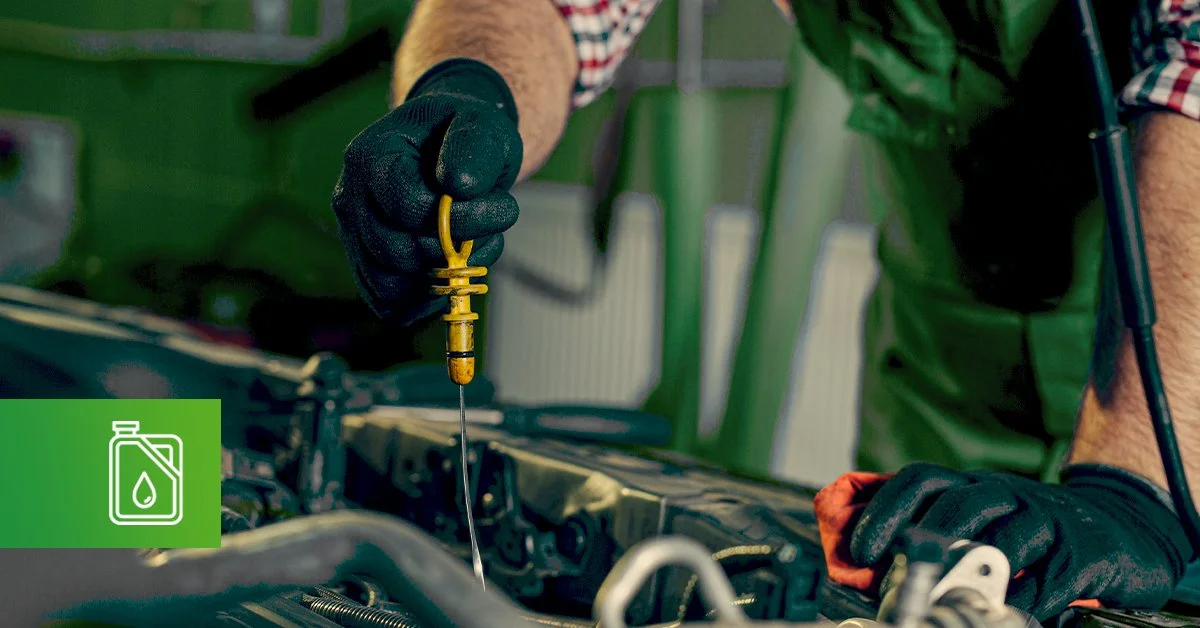
Checking your engine oil is a simple and quick process that can give you plenty of information, like the color, consistency, and amount of oil. Start by parking your car on flat ground, then wait around 10-15 minutes for the engine to cool off. Once that time has passed, open your hood and find your dipstick; it usually has a red or orange pull tab to make it easy to find, though you can also check your owner manual. Clean off the dipstick, dip it all the way down in the tube for a moment, and pull it out to see the end coated in oil. Be sure to check the color in good lighting for a more accurate read.
What Does My Engine Oil Color Mean?
Most likely, any engine oil you encounter will range between pale yellow to dark brown, with age and use determining where in the range it falls. However, there are conditions that can alter the color, so your ASE-certified technicians at Auto Correct have put together this guide on what many of these colors mean for you.
Pale Yellow to Light Brown
Fresh, new oil will appear very light yellow, sometimes almost clear when it is added to your car. Anything in this very light color range means that the oil is still new, so it is still providing your engine with plenty of lubrication, offering heat protection, and collecting particulates.
Amber to Dark Brown
As oil continues to work, it picks up more contaminants and starts to thicken. It will also darken in color. However, just because your oil is now a brown instead of yellow does not mean you need an oil change immediately. If the oil is still very fluid rather than sludgy, you still have time. Just know that it is on its way out, and worth keeping an eye on.
Black
If the oil on your dipstick is black, and especially if it has taken on a particularly thick viscosity, it is time for an oil change. The color and texture come from an overload of particulates gathered in the oil, as well as the general chemical change from the heat as the oil has been used. Now that the oil is no longer working efficiently to lubricate, there is risk of the engine taking friction damage or overheating. As an additional, though less likely, risk, black oil could be an indication of a clog in the fuel return line.
Unusual Colors - Green, Red, Sparkly
Green oil, surprisingly, could mean nothing at all, if you are using a high performance oil, as some brands use dyes and additives to help find leaks. However, if you are not using one of these high performance oils, then green oil likely means there is coolant contamination.
If your oil seems red, we recommend giving your dipstick a thorough clean (or getting a new one) and getting a new sample before you start worrying. While Arizona isn’t a particularly humid area, humidity or condensation on the dipstick can lead to rust, altering the color of the collected oil. However if there is no rust and the oil still looks red, you may have transmission fluid in your oil.
Sparkly or metallic oil is a sign of potentially very dangerous internal damage. If you find metal particles in your oil, do not drive this vehicle, but instead have it brought in to diagnose the specific issue.
Milky or Frothy
Milky or frothy oil — sometimes said to look like a chocolate milkshake — is another sign of a problem. In this case, the issue is water mixing with the oil, usually through a leak in the head gasket.
Oil Checks and Changes at Auto Correct
As shown with some of the less coming colors listed above, keeping an eye on your oil can be a helpful warning sign for damage or engine problems. If you have questions about your oil, are ready for your next oil change, or just want to be sure you know how to check your own oil, your auto experts at Auto Correct in Glendale, Arizona are here for you.