A pre-purchase inspection is an independent mechanic's check of a used car before you buy it. A thorough one looks at the engine, transmission, brakes, steering and suspension, tires, fluids and leaks, the cooling and AC system, the electrical system and stored trouble codes, and usually finishes with a test drive. The goal is simple: know what the car will need before you hand over the money, not after.
Auto Correct has two shops, in Glendale and Surprise, Arizona, and you will find our current pre-purchase inspection offer on the specials page. Below is what a good inspection covers, how to set one up with a seller, and how to use the results.
What Does a Pre-Purchase Inspection Include?
Every car is different, but a careful pre-purchase car inspection works through the same major systems. Here is what each part of the check is looking for.
Engine and Transmission
The technician looks for oil and coolant leaks, cracked or worn belts and hoses, and signs of overheating, then checks the level and condition of the engine oil and transmission fluid. Milky oil, dark or burnt-smelling transmission fluid, a rough idle, hard or slipping shifts, and smoke from the exhaust are all things you want to know about before you buy.
Brakes, Steering and Suspension
Brake pads and rotors are checked for wear, and the brake lines and fluid are looked over. With the car up on a lift, the technician checks shocks, struts, ball joints, tie rod ends and bushings for leaks, play or damage. Problems here affect safety and can turn into a large bill soon after you buy. Our brake system repairs and steering and suspension repairs pages list the warning signs in more detail.
Tires and Alignment
Tread depth matters, but so does the way the tread is wearing. Wear on only the inside or outside edges points to an alignment or suspension problem, and mismatched or very old tires can mean a new set is due right away.
Cooling System, Heating and AC
Coolant level and condition, the radiator, the hoses and the water pump area are checked for leaks. The heater and the air conditioning should both be tested. An AC system that blows warm air is worth finding before you own a car you will be driving through a Valley summer.
Battery, Electrical System and Trouble Codes
A scan tool reads the onboard computer for stored and pending trouble codes, which can reveal problems even when no warning light is on. Lights, windows, locks, gauges and accessories are tested, and the battery and charging system are checked. A check engine light that comes on during the test drive, or signs that codes were recently cleared, are reasons to ask more questions.
Underbody, Exhaust and Signs of Past Damage
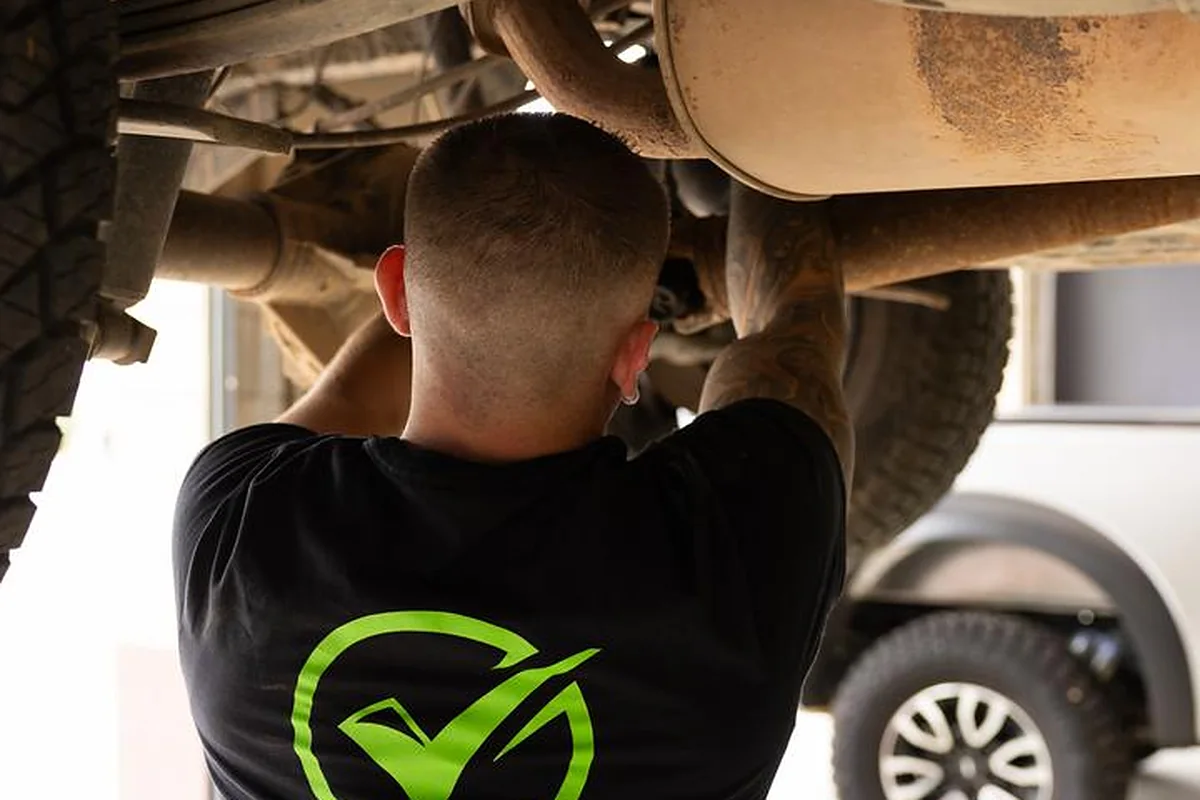
From underneath, the technician can spot fluid leaks, exhaust leaks or damage, rust, and frame or body repairs that are hard to see from the driveway, such as mismatched panels, paint overspray or bent components.
Test Drive
A road test shows how the car starts, idles, accelerates, shifts, brakes and tracks in a straight line. Noises, vibrations, pulling and warning lights often show up only on the road.
Why Get a Pre-Purchase Inspection If the Car Looks Fine?
A clean, shiny car can still hide expensive problems. A seller may not know about a slow leak or a failing part, and worn suspension parts or a cleared trouble code are not visible on a quick walk-around. An inspection by a shop that has no stake in the sale gives you facts instead of guesses.
It also makes the decision easier. If the inspection finds a few small items, you can buy with a clear picture of what is coming. If it finds a major problem, you learned about it for the cost of an inspection instead of the cost of the repair.
How Do You Use the Inspection Results?
Once you have the results, you have three practical options:
Buy the car as it is, when the findings are minor and the price already reflects its age and mileage.
Negotiate, using the repairs the inspection found to ask for a lower price or for the seller to fix specific items before the sale.
Walk away, when the inspection finds problems that cost more than the car is worth to you, such as a failing transmission, major leaks or signs of serious collision damage.
Ask the technician which findings are safety items that need attention right away and which are maintenance items that can wait. That ranking is often more useful than the full list.
If the car will need an Arizona emissions test, pay close attention to the check engine light. As our tips for passing your Arizona emissions test explain, a lit check engine light is an automatic failure.
How Do You Set Up a Pre-Purchase Inspection With a Seller?
Most dealers and private sellers will agree to an inspection when they can see you are a serious buyer. A few steps make it go smoothly:
Ask the seller up front whether you can have the car inspected at a shop of your choice before you commit.
Book the inspection with the shop, and agree with the seller on who will bring the car in and when.
Bring any service records the seller has, along with the VIN, so the technician has context.
Leave time to go over the results before you sign anything or hand over a deposit.
If a seller refuses any independent inspection, treat that as part of the answer.
What Doesn't a Pre-Purchase Inspection Cover?
An inspection is a snapshot of the car's condition on the day it is checked. It cannot promise that nothing will fail later, and it does not replace a vehicle history report, a title check or an Arizona emissions test. Use them together: the history report for the car's past, the inspection for its condition today, and the emissions test where your vehicle requires one.
Where Can You Get a Pre-Purchase Inspection in Glendale or Surprise, AZ?
Auto Correct is a green auto repair and maintenance shop that is locally, family, and friend-owned, with two locations: Auto Correct Glendale at 4381 W Bell Rd, Glendale, AZ 85308, and Auto Correct Surprise at 13431 W Westgate Dr, Surprise, AZ 85378. Both are open Monday through Friday, 7am to 6pm. We service domestic, European, Asian, import and diesel vehicles, and our technicians are ASE-certified.
If you buy the car and it needs work later, we offer free second opinions, and every Auto Correct repair comes with a 5-year/50,000 mile warranty.
Found a used car you like? Book a pre-purchase inspection, or call Auto Correct Glendale at (602) 666-6331 or Auto Correct Surprise at (623) 469-3902.
Frequently Asked Questions About Pre-Purchase Inspections
What is a pre-purchase car inspection?
A pre-purchase car inspection is a check of a used vehicle by an independent mechanic before you buy it. It covers the major systems, including the engine, transmission, brakes, suspension, tires, fluids, electrical system and trouble codes, and it usually includes a test drive.
Is a pre-purchase inspection the same as an Arizona vehicle inspection?
No. A pre-purchase inspection is a check you arrange as the buyer to learn the car's condition before you pay for it. It is separate from any Arizona emissions test the vehicle may need, so plan for both if the car requires one.
Should I use an independent shop for a used car inspection before buying?
Yes. A shop with no stake in the sale has no reason to downplay what it finds, whether you are buying from a dealer or a private seller.
Where can I get a pre-purchase inspection in Glendale, AZ 85308?
Auto Correct Glendale at 4381 W Bell Rd, Glendale, AZ 85308 performs pre-purchase inspections, and so does Auto Correct Surprise. You can request either location through the Auto Correct schedule an appointment page.